1
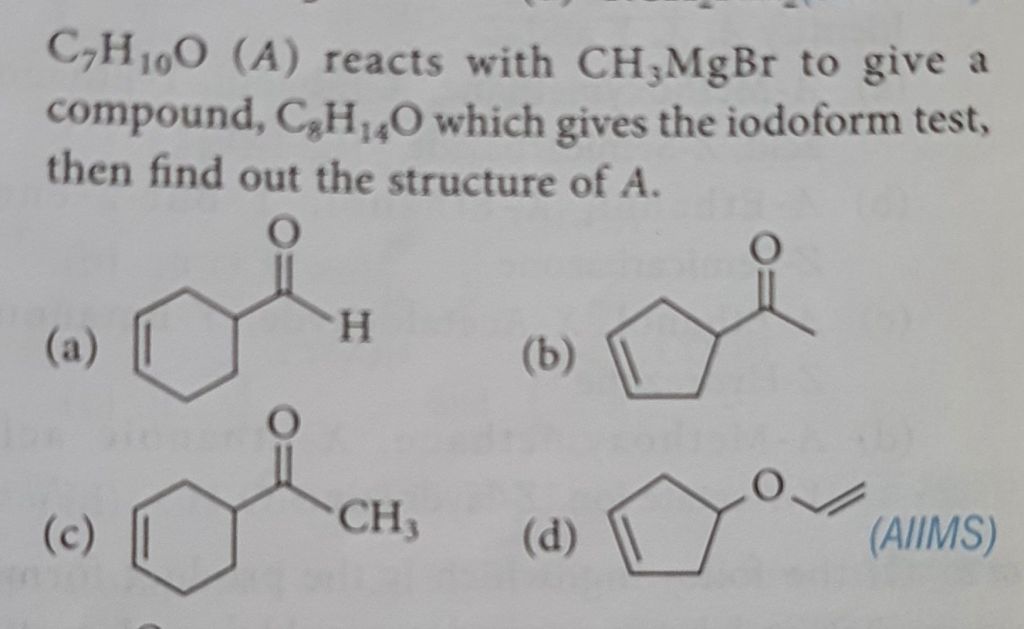
2.
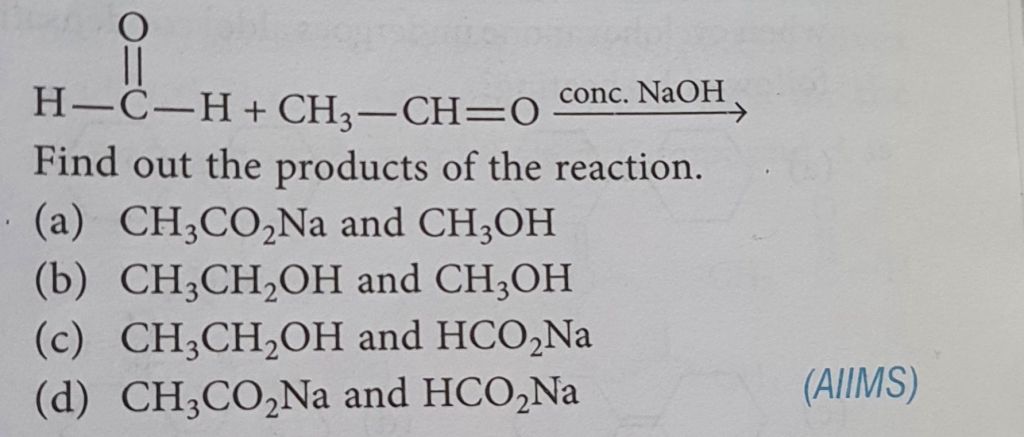
3.
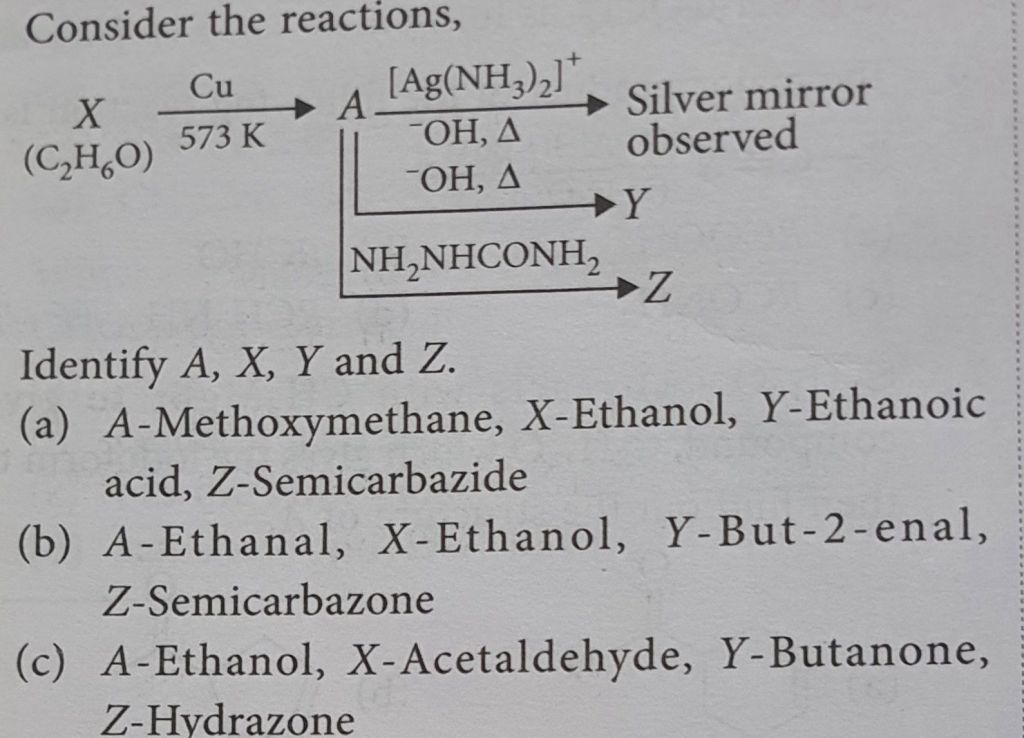
4.
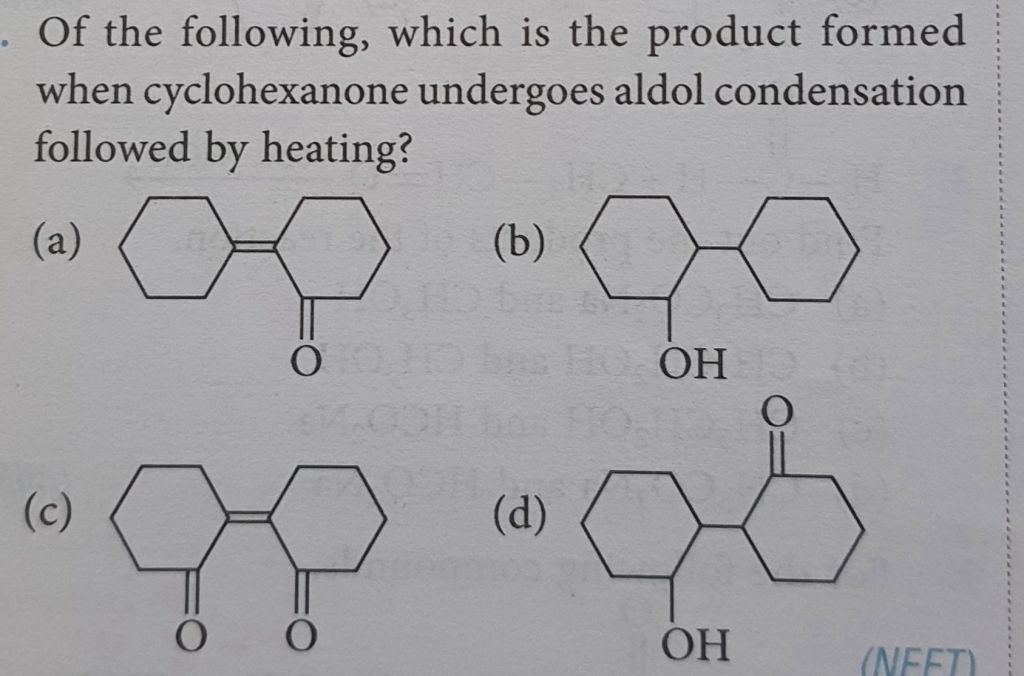
4.
5.
6 7, 8
9.
1 – a
2- c
3. b
4. a
5.b
6. b
7.b
8.b
9.b

1
2.
3.
4.
4.
5.
6 7, 8
9.
1 – a
2- c
3. b
4. a
5.b
6. b
7.b
8.b
9.b

Master List of Important Lewis Structure Compounds for JEE/NEET
1. Octet Rule Molecules
H₂
N₂
O₂
F₂
Cl₂
Br₂
I₂
HF
HCl
HBr
HI
H₂O
H₂S
NH₃
PH₃
CH₄
SiH₄
CO₂
CS₂
—
2. Electron-Deficient Compounds
BeH₂
BeCl₂
BH₃
BF₃
BCl₃
AlCl₃
—
3. Odd-Electron Molecules
NO
NO₂
ClO₂
BrO₂
IO₂
O₂⁻
N₃ (azide radical, less common)
—
4. Resonance Species
O₃
CO₃²⁻
NO₂⁻
NO₃⁻
SO₂
SO₃
IO₃⁻
BrO₃⁻
ClO₃⁻
CN⁻
N₃⁻
HN₃
—
5. Polyatomic Ions
NH₄⁺
H₃O⁺
OH⁻
CN⁻
NO₂⁻
NO₃⁻
CO₃²⁻
HCO₃⁻
SO₃²⁻
SO₄²⁻
HSO₄⁻
PO₄³⁻
HPO₄²⁻
H₂PO₄⁻
ClO⁻
ClO₂⁻
ClO₃⁻
ClO₄⁻
BrO⁻
BrO₂⁻
BrO₃⁻
BrO₄⁻
IO⁻
IO₂⁻
IO₃⁻
IO₄⁻
I₃⁻
S₄O₆²⁻
S₂O₃²⁻
—
6. Hypervalent (Expanded Octet) Molecules
PCl₅
PF₅
SF₄
SF₆
ClF₃
BrF₃
IF₃
IF₅
IF₇
XeF₂
XeF₄
XeF₆
ICl₃
—
7. Xenon Compounds
XeF₂
XeF₄
XeF₆
XeO₃
XeO₄
—
8. Peroxides and Superoxides
H₂O₂
Li₂O₂
Na₂O₂
K₂O₂
MgO₂
CaO₂
SrO₂
BaO₂
KO₂
RbO₂
CsO₂
—
9. Peroxo Acids of N, P, S
HNO₄
ONOO⁻
H₃PO₅
H₄P₂O₈
H₂SO₅ (Caro’s acid)
H₂S₂O₈ (Marshall’s acid)
—
10. Sulfur Oxyanions
SO₃²⁻
SO₄²⁻
S₂O₃²⁻ (Thiosulfate)
S₄O₆²⁻ (Tetrathionate)
HSO₄⁻
—
11. Nitrogen Special Compounds
NO
NO₂
N₂O
N₂O₃
N₂O₄
N₂O₅
HN₃
N₃⁻
—
12. Carbon Special Compounds
CO
CO₂
C₃O₂ (Carbon suboxide)
CN⁻
—
13. Bromine–Oxygen Compounds
Br₂O
Br₂O₃
Br₂O₅
Br₂O₇
Br₃O₈
HBrO
HBrO₂
HBrO₃
HBrO₄
BrO⁻
BrO₂⁻
BrO₃⁻
BrO₄⁻
—
14. Iodine Compounds
IF₃
IF₅
IF₇
ICl₃
I₃⁻
HIO
HIO₂
HIO₃
HIO₄
H₅IO₆
IO⁻
IO₂⁻
IO₃⁻
IO₄⁻
I₂O
I₂O₃
I₂O₅
I₂O₇
—
Top 30 “Must-Do” Lewis Structures for JEE/NEET
NH₄⁺, H₃O⁺, BF₃, BeCl₂, CO, NO, NO₂, O₃, NO₂⁻, NO₃⁻, CO₃²⁻, SO₂, SO₃, SO₄²⁻, CN⁻, N₃⁻, HN₃, PCl₅, SF₄, SF₆, ClF₃, IF₃, IF₅, IF₇, XeF₂, XeF₄, XeF₆, I₃⁻, S₂O₃²⁻, S₄O₆²⁻.
If you can draw and analyze these 30 confidently (Lewis structure, formal charge, hybridisation, shape, bond angle, resonance), you’ll cover nearly all Lewis-structure-based questions in JEE and NEET.
| Object Position | Image Position | Nature of Image | Size |
|---|---|---|---|
| At infinity | At F | Real, inverted | Highly diminished (point-sized) |
| Beyond C | Between C and F | Real, inverted | Diminished |
| At C | At C | Real, inverted | Same size |
| Between C and F | Beyond C | Real, inverted | Enlarged |
| At F | At infinity | Real, inverted | Highly enlarged |
| Between F and P | Behind mirror | Virtual, erect | Enlarged |
Key:
| Object Position | Image Position | Nature of Image | Size |
|---|---|---|---|
| At infinity | At F (behind mirror) | Virtual, erect | Highly diminished |
| Anywhere in front of mirror | Between P and F (behind mirror) | Virtual, erect | Diminished |
Health is a state of:
Health does not mean only absence of disease or physical fitness.
Health is affected by:
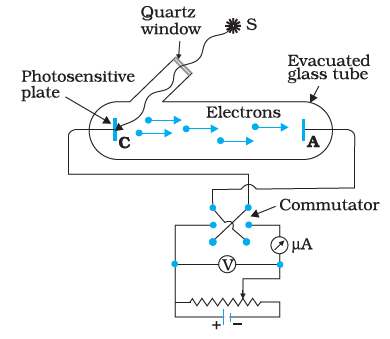
Figure 11.1 shows the experimental setup used to study the photoelectric effect. The arrangement consists of an evacuated glass or quartz tube containing two metal plates:
A source of monochromatic light (S) sends light through a quartz window  onto the photosensitive plate (C).
Quartz allows ultraviolet rays to pass through it, unlike ordinary glass. Since ultraviolet light is often needed to produce photoelectric emission, a quartz window is used.
When light of sufficiently high frequency falls on the photosensitive plate (C):
A battery is connected between plates (A) and (C), creating an electric field.
The battery maintains a variable potential difference between the two plates.
Using a commutator, the polarity of the plates can be reversed:
Using this arrangement, we can study how photocurrent depends on:
Different frequencies of light are obtained by using:
The intensity of light is changed by:
Photoelectric emission occurs only when the incident light has frequency greater than a certain minimum value called the threshold frequency of the material.
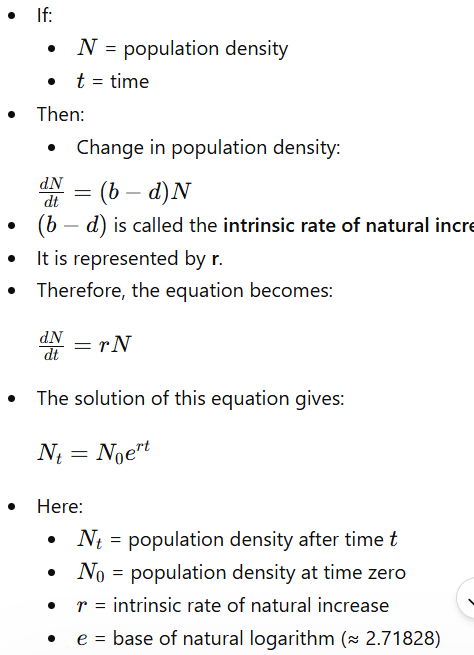
Example values of r:
Any species can grow exponentially for some time if resources are unlimited. Exponential growth produces a J-shaped curve. In the graph:
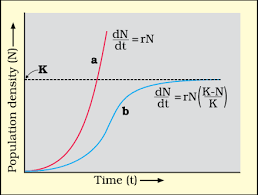
Population cannot grow indefinitely in nature because environmental resistance and limited resources act as checks.
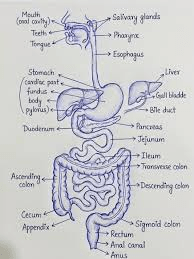
(Class 12 Biology – CBSE Boards)
Important Labels
Important Terms
Board Questions
3. Megasporogenesis
| Structure | Importance |
|---|---|
| Pistil | Basic |
| Ovule | Very Important |
| Megasporogenesis | Important Process |
| Embryo Sac | MOST IMPORTANT |

